Matching Morning Assessments to Evening Live Accumulators in Tennis and Football
Written by Morgan Jung · Sep 24, 2026
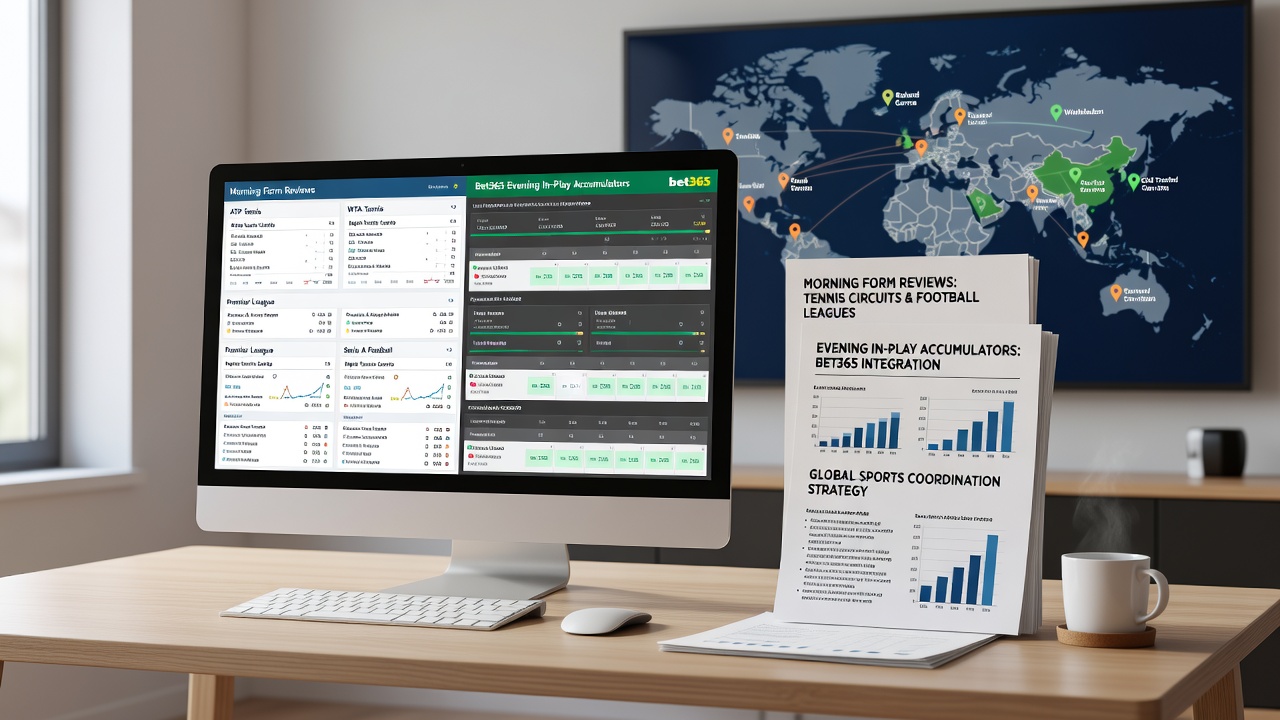
Matching Morning Assessments to Evening Live Accumulators in Tennis and Football
Analysts and data teams often begin their days by examining player statistics from overnight matches across tennis circuits while cross-referencing team news from football leagues that concluded the previous evening, and this routine sets the foundation for later selections in live accumulator markets. Data from multiple seasons shows that early reviews of serve percentages, break point conversion rates, and injury reports help identify patterns that carry into evening sessions on platforms offering in-play options.
Early Data Collection Practices
Teams compile spreadsheets that track metrics such as first serve win rates for tennis players competing on different surfaces and possession statistics for football sides in various leagues, while they also note weather conditions and travel schedules that might affect performance later in the day. In September 2026 observers noted increased activity around major tournaments where morning form checks aligned with live updates from ongoing matches.
Those who coordinate these efforts frequently use software that pulls live feeds from multiple sources to update baseline figures before evening markets open, and the process allows adjustments based on any new information that emerges during the afternoon.
Transition to Evening In-Play Options
As matches progress into the evening hours, the initial morning evaluations feed directly into accumulator constructions that combine tennis set winners with football goal margins or over/under totals. Research indicates that bettors who maintain consistent morning review schedules tend to adjust their selections more rapidly once in-play odds shift, according to industry reports from the European Gaming and Betting Association.

Live markets on major platforms allow selections to be added as individual legs update in real time, and this flexibility means that a morning flag on a particular tennis player's fatigue level can influence whether an accumulator includes that match or switches focus to a football fixture with stronger recent form indicators. Studies from academic sources have examined how such timing affects decision accuracy across different sports calendars.
Cross-Sport Integration Examples
One documented case involved analysts reviewing clay court statistics from morning sessions in European tennis events before incorporating those insights into accumulators that also featured evening football matches from South American leagues. The approach relies on independent data streams rather than direct correlations, and figures from the ATP Tour demonstrate seasonal variations in performance that morning reviews can highlight ahead of live betting windows.
Football leagues provide parallel data points through team rotation patterns and goal timing statistics, which morning teams log alongside tennis metrics to create balanced selections. When evening in-play options activate, the combined dataset supports quicker reactions to score changes or momentum shifts.
September 2026 Developments
During September 2026, overlapping schedules between late-summer tennis tours and early football campaigns created additional opportunities for coordinated reviews, and regulatory updates in several regions prompted operators to refine their live market offerings. Data compiled by research institutions showed steady growth in accumulator participation during these overlapping periods.
Platforms maintain detailed records of how morning inputs translate into evening selections, though individual outcomes remain subject to the inherent variability of live sports events. External links to governing bodies such as those overseeing international sports integrity provide further context on data standards used in these processes.
Conclusion
Coordination between morning form reviews and evening in-play accumulators continues to evolve as data tools improve and sports calendars shift, with tennis circuits and football leagues supplying distinct yet complementary information streams. Observers continue to track how these practices develop across different time zones and tournament structures.